Historiske Mysterier markHistoriske Mysterier
HM–IK–006

Historiske Mysterier · Case 006 · Unidentified person

The Isdal Woman

A name is missing.
The traces are not.

Bergen29 November 1970Identity unknownStatus: Unsolved
Open the case file
Dossier HM–IK–006
UNSOLVED

Case status

One unknown woman.
At least eight recorded aliases.

On 29 November 1970, a woman was found dead in Isdalen outside Bergen. Labels had been removed from her clothes, her belongings revealed extensive travel, and none of the names she had used could be confirmed as her own. Police were unable to establish either her identity or the full sequence of events that led to her death.

Modern DNA and isotope analyses have narrowed her possible geographical background, but have not given her a name. As of August 2026, no identification has been publicly confirmed.
01

The discovery

Case narrative

From a mountain valley
to a European travel pattern

A man and his two daughters were walking in Isdalen when they found the woman on a rocky slope. Her body had been severely burned. Nearby were bottles, an umbrella, rubber boots and the remains of a fire.

The autopsy found soot in her airways and carbon monoxide in her blood, showing that she had been alive while the fire burned. Barbiturates were also detected. Sources do not establish the exact order of events or which factor proved decisive. The findings alone prove neither suicide nor the involvement of another person.

The most accurate answer remains twofold: the woman died in Isdalen, but neither her identity nor the complete circumstances of her death have been established.

Six days earlier she had checked out of room 407 at Hotel Hordaheimen, paid in cash and asked for a taxi. When fingerprints later connected her to two suitcases at Bergen railway station, a broader trail emerged: wigs, foreign currency, spectacles and notes recording journeys across Norway and Europe.
6days from checkout to discovery
2suitcases linked by fingerprints
8+recorded aliases
55years without a confirmed identity
02

The identities

A journey through hotel registers

A life in names
that did not exist

On 21 March 1970, a woman registered at Hotel Viking in Oslo as Genevieve Lancier, supposedly from Leuven in Belgium. Three days later the same handwriting appeared in Bergen, now belonging to Claudia Tielt of Brussels.

Names were not the only details to change. Dates of birth, addresses and occupations varied from one registration card to another. Yet parts of the story remained consistent: she was usually presented as Belgian, and forms were completed in French or German. The identities were detailed enough for hotel reception desks, but led police to no family, home or employer.

Under the name Claudia Tielt, she stayed first at Hotel Bristol and then Hotel Skandia in Bergen. After 1 April she disappears from the known Norwegian hotel records for almost seven months. This does not show that she stopped travelling; it only marks the limit of the surviving trail.

She returned in late October. Claudia Nielsen, Alexia Zarna-Merchez, Vera Jarle and Finella Lorck were soon connected to Stavanger, Bergen and Trondheim. Hotel staff remembered a well-dressed woman who paid cash, sometimes appeared guarded and occasionally asked to change rooms. These recollections were collected after her death and must be treated as witness statements, not a photographic record of her behaviour.

Her final recorded identity was Elisabeth Leenhouwfr. Under that name she stayed at Hotel Hordaheimen. On 23 November she paid cash, checked out of room 407 and asked for a taxi. Six days later she was found in Isdalen.

The aliases show that her identity was concealed systematically. They do not explain why.

Later accounts often refer to eight or nine identities. The number varies because some stays used the same name, spellings differ between transcriptions, and the travel log and hotel cards are not always reproduced consistently. The list below follows the spellings published by Bergens Tidende from its archive in 2016. It records identity details, not eight physical passports; no passports were found in the suitcases.

Oslo · March 1970

Genevieve Lancier

Claimed a connection to Leuven, Belgium. This begins the known Norwegian hotel trail.

Bergen · March–April 1970

Claudia Tielt

Used at two Bergen hotels, with Brussels given as a place of origin.

European travel trail

Vera Schlosseneck

Later archive reviews connect this name to travel outside Norway, including Paris.

Stavanger · October 1970

Claudia Nielsen

Claimed a Belgian background and a connection to Ghent.

Bergen · October–November 1970

Alexia Zarna-Merchez

Registered at Hotel Neptun. The spelling varies in later transcriptions.

Trondheim · November 1970

Vera Jarle

Gave Antwerp as her birthplace. The identity could not be confirmed.

Stavanger · November 1970

Finella Lorck

Connected to Hotel St. Svithun and the blue rubber boots.

Bergen · 19–23 November 1970

Elisabeth Leenhouwfr

The final known hotel identity, used at Hotel Hordaheimen.

Spellings follow Bergens Tidende's 2016 archive review ↗. Other sources use Geneviève, Fenella and Leenhouwer, among other variants.

File · visual documentation

Places in the case

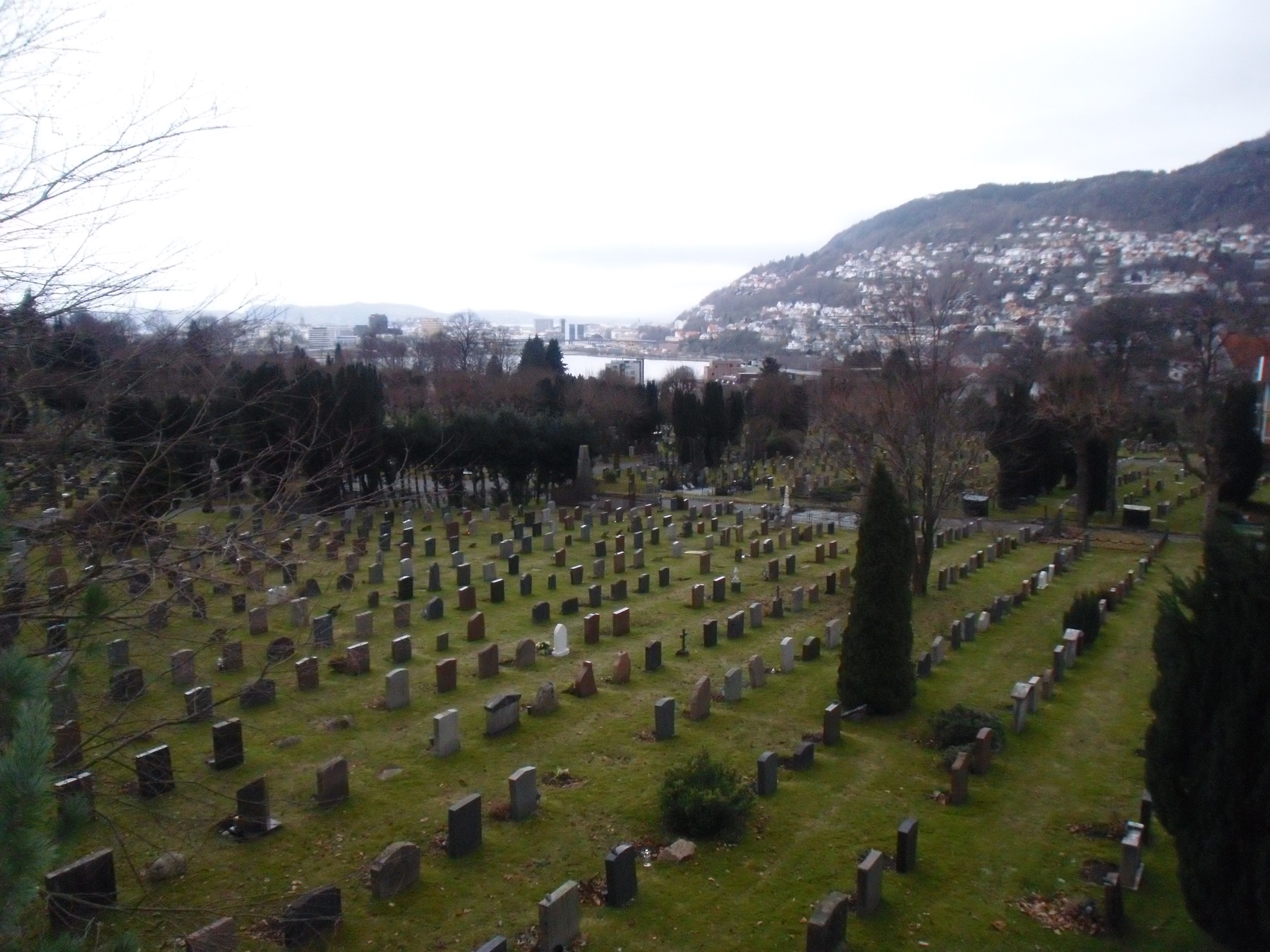
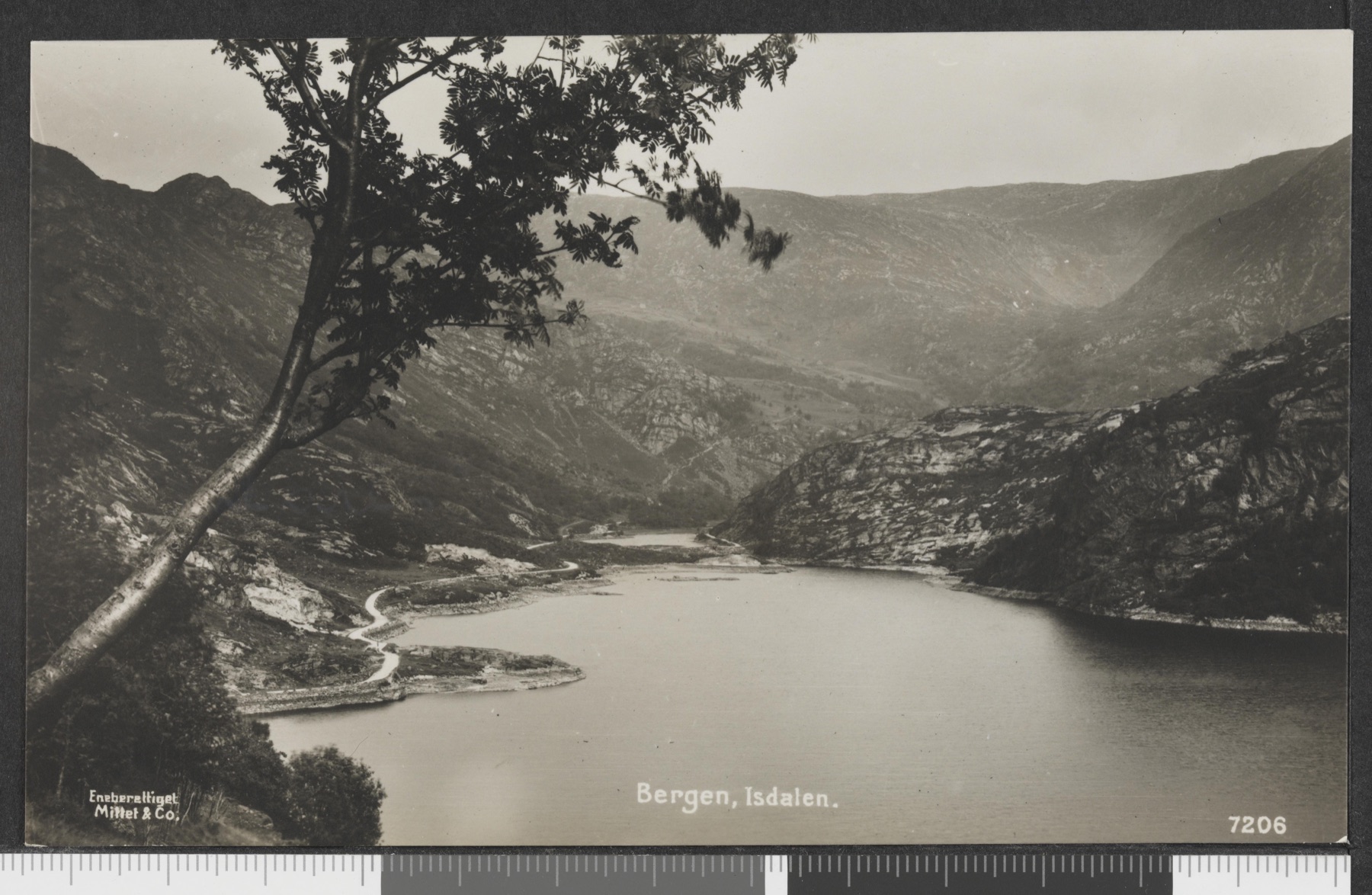
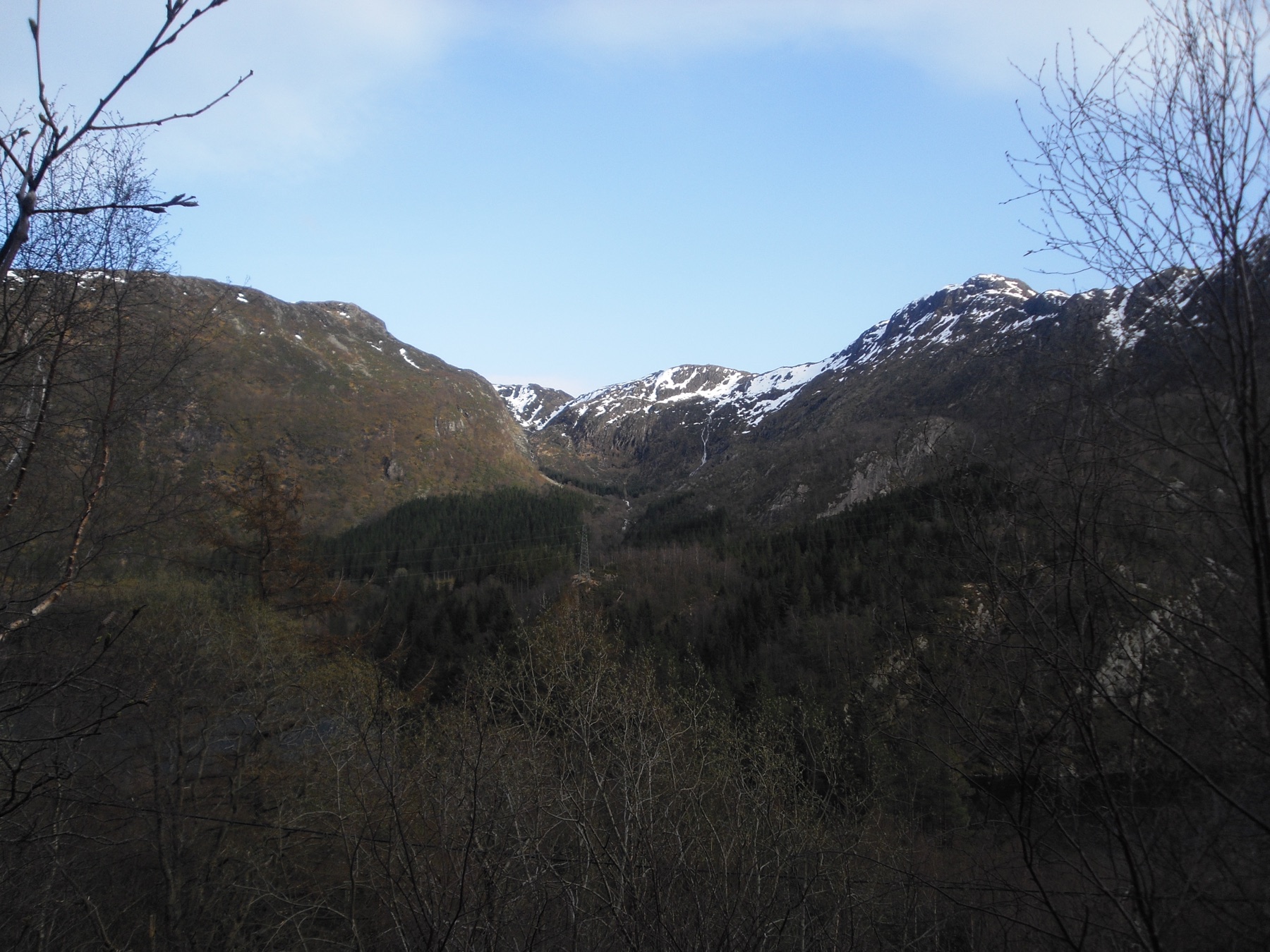
These images do not show the scene as it appeared in 1970. They document the landscape and burial place, and are dated to avoid a false impression of contemporaneity.

Historic postcard showing Isdalen in Bergen between 1918 and 1923
Isdalen, photographed between 1918 and 1923. Postcard from the National Library of Norway. Public domain / Wikimedia Commons ↗
Isdalen in Bergen photographed in 2009
Isdalen in 2009. This is a location photograph, not a crime-scene image. Photo: Reinhardheydt. Public domain / Wikimedia Commons ↗
Møllendal cemetery in Bergen photographed in 2009
Møllendal cemetery, where the woman was buried on 5 February 1971. Photo from 2009: Reinhardheydt. Public domain / Wikimedia Commons ↗
The composite drawings are important historical sources, but they are not photographs. Audun Hetland's 1970 drawings were based on observations of the deceased woman and information from the investigation. NRK later commissioned six new variants from American forensic artist Stephen Missal. Both series remain protected by copyright and are therefore not reproduced directly here. See Hetland's drawings in Bergens Tidende ↗
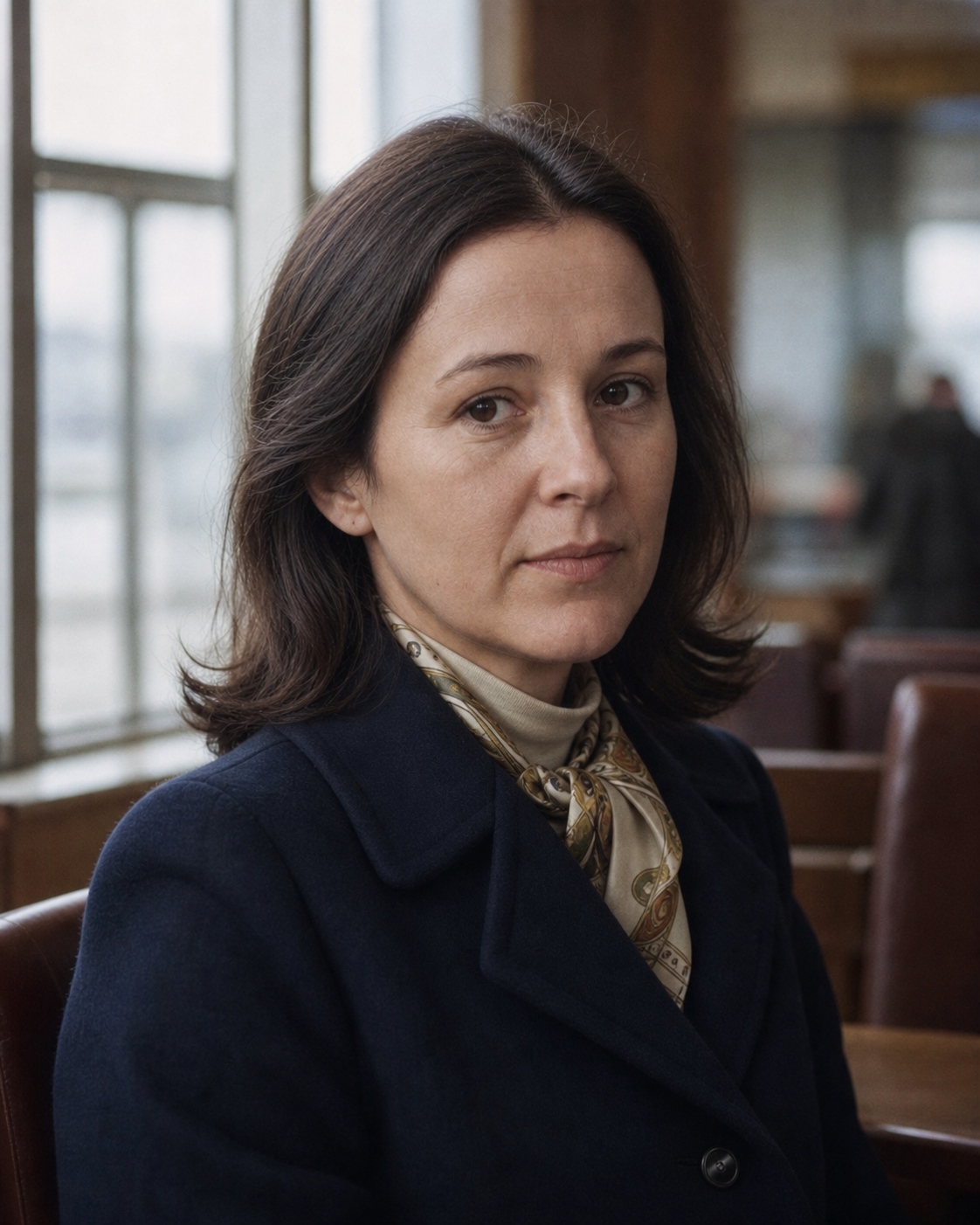
Editorial reconstruction of how the Isdal Woman may have appeared
An editorial interpretation based on published descriptions, including dark-brown hair, small brown eyes and a relatively small face. Clothes, hairstyle and setting are a period interpretation. This is an AI-generated illustration from 2026 — not a photograph, an official composite drawing or an identification.

Evidence room

The traces left behind

Some findings are secure. Their meaning is much less certain.

Trace 01
Documented

Identifying marks were removed

Labels and other possible identifiers had been cut or filed away. This suggests a deliberate act, but not who performed it or why.

Evidence baseHigh
Trace 02
Documented

The station suitcases

Fingerprints linked the woman to two suitcases at Bergen railway station containing clothes, wigs, spectacles, currency and travel information.

Evidence baseHigh
Trace 03
Documented

The “codes” were a travel log

Combinations of letters and numbers in a notebook were interpreted as dates and destinations. They have not been established as secret intelligence code.

Evidence baseHigh
Trace 04
Documented

Alive during the fire

Soot in the airways and carbon monoxide in the blood show that she was breathing while the fire burned. Barbiturates were also present.

Evidence baseHigh for the findings
Trace 05
Documented

False identities

Hotel cards record several names, dates of birth and occupations. She often claimed Belgian ties, but the identities could not be verified.

Evidence baseHigh
Trace 06
Strong indication

Teeth, isotopes and DNA

Dental isotopes point to childhood in south-east Germany and later residence farther west. DNA indicates European ancestry, but no public match has supplied a name.

Evidence baseHigh for region, not identity

Documented chronology

From hotel records to modern analysis

The known timeline is reconstructed partly from hotel cards, luggage and travel notes. Some details vary in later accounts.

Travel under several names

Hotel records and the travel log place the woman in Norwegian and European cities.

Checks out in Bergen

She leaves Hotel Hordaheimen, pays cash and asks for a taxi — the last confirmed sighting.

Found in Isdalen

A family walking in the valley discovers the body.

Suitcases and travel route

Luggage at Bergen station is linked to her. Police connect aliases to hotels and interpret her notes as a travel log.

Buried at Møllendal

She is buried in Bergen without a known identity. Material is preserved for later examination.

The case is re-examined

New DNA and isotope work suggests a geographical background, but not a name.

NRK and BBC reopen the story internationally

Death in Ice Valley combines archive research, new tips and public participation.

Still publicly unidentified

Radiocarbon tests on teeth do not yield a precise birth date. No identification has been publicly confirmed.

Map room · Bergen

Isdalen and
the surrounding city

Isdalen lies below Mount Ulriken, east of central Bergen. The hotel, railway station, discovery area and cemetery all lie within a relatively compact urban landscape, but her route between them remains unknown.

Map: OpenStreetMap / CARTO. The marker indicates an approximate area in Isdalen, not the precise discovery site.

Analysis, not a verdict

What may have happened?

No theory explains her identity, travels and death without leaving major questions open.

01
Police's principal theory

A planned, self-inflicted death

The barbiturates, fire and absence of firm signs of another person led police to treat suicide as the primary explanation.

Strength

Compatible with several core findings and the contemporary police assessment.

Limitation

The exact sequence is unproven and it does not explain her identity or all the preparations.

02
Possible, not documented

Another person was involved

The secluded location and concealed identity have encouraged homicide theories.

Strength

Could in principle explain unclear elements of the death.

Weakness

No publicly known physical evidence securely places a perpetrator at the scene.

03
Weak documentation

Intelligence activity

Aliases, cash payments, wigs and extensive travel have made the spy theory popular.

Indications

The behaviour may resemble operational security, but can have other explanations.

Counterweight

No public intelligence source, employer or operation has been documented. The travel log was not proven spy code.

04
Open explanation

A concealed private or illegal life

False identities could relate to smuggling, money, flight, family circumstances or other private matters.

Strength

It does not require a state operation to explain secrecy.

Limitation

The category is too broad to test as a single theory.

06

Unanswered

Editorial conclusion

What do we still not know?

  • Her name, where she lived and who knew her.
  • Why she used false identities and removed identifying marks.
  • What happened between checkout on 23 November and the discovery six days later.
  • Whether her death was self-inflicted, involved another person, or followed a more complex sequence.

The evidence supports the conclusion that the woman deliberately concealed her identity, but not why. Suicide was the police's principal explanation; murder and intelligence theories lack decisive evidence. Isotopes provide a probable geographical trail. Only a confirmed family or identity match can give the case what it still lacks: a name.

Editorial documentation

Sources and limitations

The police file and forensic records are closest to the event, but are not available online as one complete public collection. This account therefore also uses research communication, peer-reviewed methodological work and journalism based on original material. Last reviewed 7 August 2026.

  1. University of BergenA critical examination of theory-building and the spy narrativeVisit ↗
  2. På Høyden / University of BergenDNA material, teeth and isotope analysisVisit ↗
  3. Bergens Tidende, 2016–2017Archive review, aliases and results from isotope and DNA workVisit ↗
  4. Scientific Reports / PMC, 2021Radiocarbon dating of unidentified remains, including the Isdal Woman as case 16Open study ↗
  5. NRK and BBC World ServiceDeath in Ice Valley: archive research, interviews and follow-up of public tipsVisit ↗
  6. Dennis Zacher Aske, 2018Kvinnen i Isdalen, Vigmostad & Bjørke, ISBN 9788241916601. A secondary source whose theories require critical reading.Visit ↗

Historiske Mysterier · Case 006

A person, not merely a mystery.

The evidence can narrow where she came from and how she travelled. Until it gives her a name, the uncertainty should remain visible.

Return to the beginning